
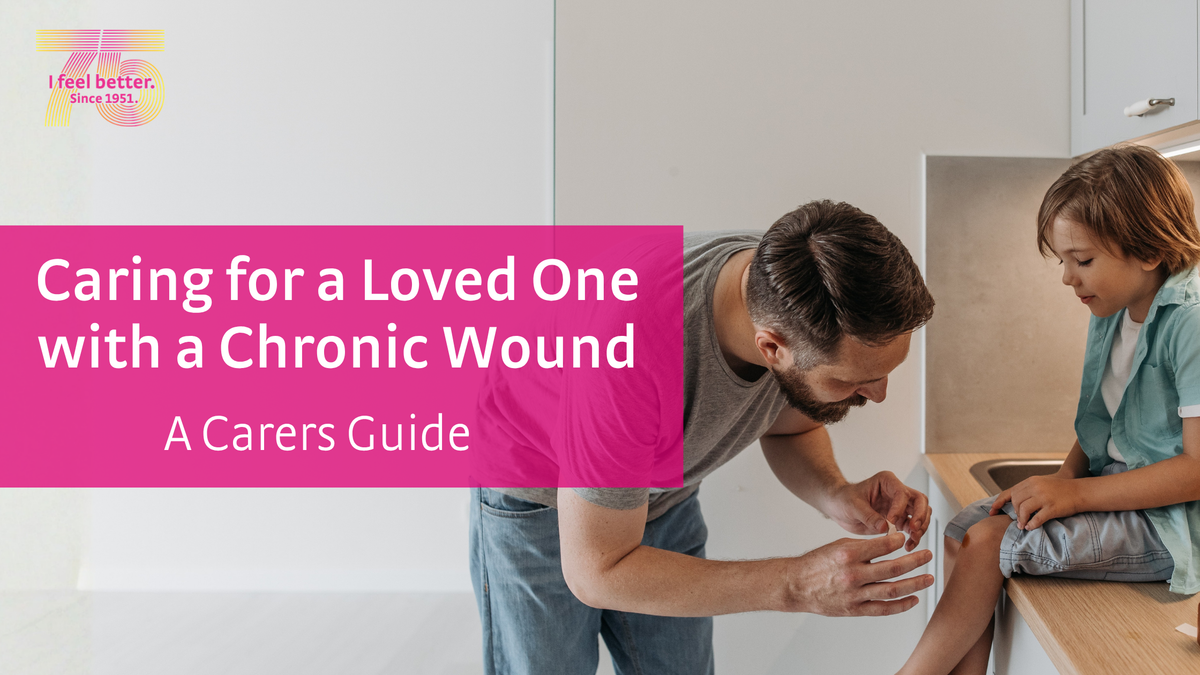
Every year, Wound Awareness Week shines a light on a silent epidemic, as more than 450,000 Australians are living with a chronic wound right now. Behind almost every one of those wounds is someone else too: a partner, a family member or a friend, who has quietly stepped into the role of carer.
If that's you, this guide is for you.
Caring for someone with a slow-healing wound (especially something like a venous leg ulcer or a wound linked to lymphoedema) can feel overwhelming at first. There's a lot to take in, and it often happens fast, without much of a handover. But this blog will help to give you a practical starting point about:
- The day-to-day basics
- The warning signs worth knowing
- A reminder to look after yourself along the way
What is a Chronic Wound and Why is the Care Different?
A wound is generally considered chronic, or "hard-to-heal," when it hasn't closed by 50% after four weeks of good standard care. Venous leg ulcers are among the more common examples, usually linked to poor venous function and circulation in the lower leg.
Most of these wounds also carry a biofilm, a protective layer of bacteria and debris that sits over the wound bed and blocks healing. It's an invisible barrier, and it's one of the main reasons chronic wounds need more frequent, consistent care than a cut or scrape.

Cleaning and Caring for the Wound
Regular cleansing is one of the most important habits to get into, because biofilm can start reforming within 48 to 72 hours of being removed. That's why it's not a one-off step, it needs to be part of the ongoing routine, to keep the wound bed and surrounding skin moving toward healing.
This is often the part carers find most daunting, particularly if it wasn't something you expected to be doing. A pre-moistened, ready-to-use option like UCS® Debridement Wipe can make it more manageable; there's nothing to mix, it's designed to be gentle on skin with no stinging, and it's suited to carer-assisted use at home as part of a guided routine.
As always, your loved one's nurse or wound care clinician will advise on how and when to use it as part of their overall treatment plan — always read the label and follow the directions for use.

Warning Signs and When to Seek Help
Contact the GP or wound clinician promptly, rather than waiting for the next scheduled visit, if you notice:
- Increasing pain, or pain that feels different to usual
- Redness or warmth spreading beyond the wound edges
- New or worsening swelling
- An unpleasant odour
- Discharge that changes in colour, amount, or thickness
- Fever, chills, or your loved one generally seeming unwell
- The wound getting larger instead of smaller, or not progressing after a few weeks
Building a Simple Day-to-Day Routine
You don't need to get everything perfect. The key is consistency; make sure your care routine happens at the same time each day (or every other day), as a short, consistent plan works better than an inconsistent big effort.
Here are a few things that make the routine easier to stick to:
- Set up a small wound care station: This should feature a clean surface and supplies within reach.
- Keep a simple log: A notes app or a notebook works fine. Jot down dressing changes, how the wound looks, and anything different. It's genuinely useful when you're at appointments, rather than trying to remember what's changed since last time.
- Follow the plan your loved one's nurse or clinician has given you: Everything in this guide is general information, so make sure their specific care plan always takes priority.
How Compression can Help with Chronic Wounds
Venous leg ulcers are usually linked to poor blood flow back up the leg, which lets fluid build up and slows healing. Measurable and sustained compression supports the veins, easing that fluid build-up and improving circulation to the wound bed — giving it a better chance to close. It's why compression is considered one of the most effective treatments for venous leg ulcers, not just for comfort, but for healing itself.
As a carer, your role often means helping fit or remove garments and encouraging consistent wear, since compression only works when it's worn as directed. Elevating the legs when resting and gentle, regular movement help too. If traditional stockings are hard to get on or off, circaid® juxtalite is designed as an easier alternative; its adjustable wrap system lets you set and control the compression yourself, without the fitting difficulty of a stocking.
Looking After Yourself
It's easy for a carer's own wellbeing to slip down the list. Fatigue, worry, and feeling stretched thin are common in this role, and they're valid, not a sign you're not coping well enough.
A few things that genuinely help:
- Build in small breaks, even short ones, rather than waiting for a "big enough" gap
- Accept help when it's offered, and don't be afraid to ask for it
- Connect with others who understand the caring role — Carer Gateway (1800 422 737) offers free, practical and emotional support for carers across Australia
Final Thoughts
Looking after your own wellbeing isn't separate from caring for your loved one; it's what makes it sustainable. Stepping into a carer role for someone with a chronic wound isn't something most people plan for, but a consistent routine, a clear sense of what to watch for, and support from the right healthcare professionals make a real difference.
If cleansing has felt like the hardest part of the routine, UCS® Debridement Wipe is worth discussing with your loved one's clinician as a simpler way to keep it up.

This guide is general information only and isn't a substitute for personalised medical advice. Always follow the care plan set by your loved one's GP or wound care clinician, and read the label and directions for use before using any product.



Leave a comment
All comments are moderated before being published.
This site is protected by hCaptcha and the hCaptcha Privacy Policy and Terms of Service apply.