
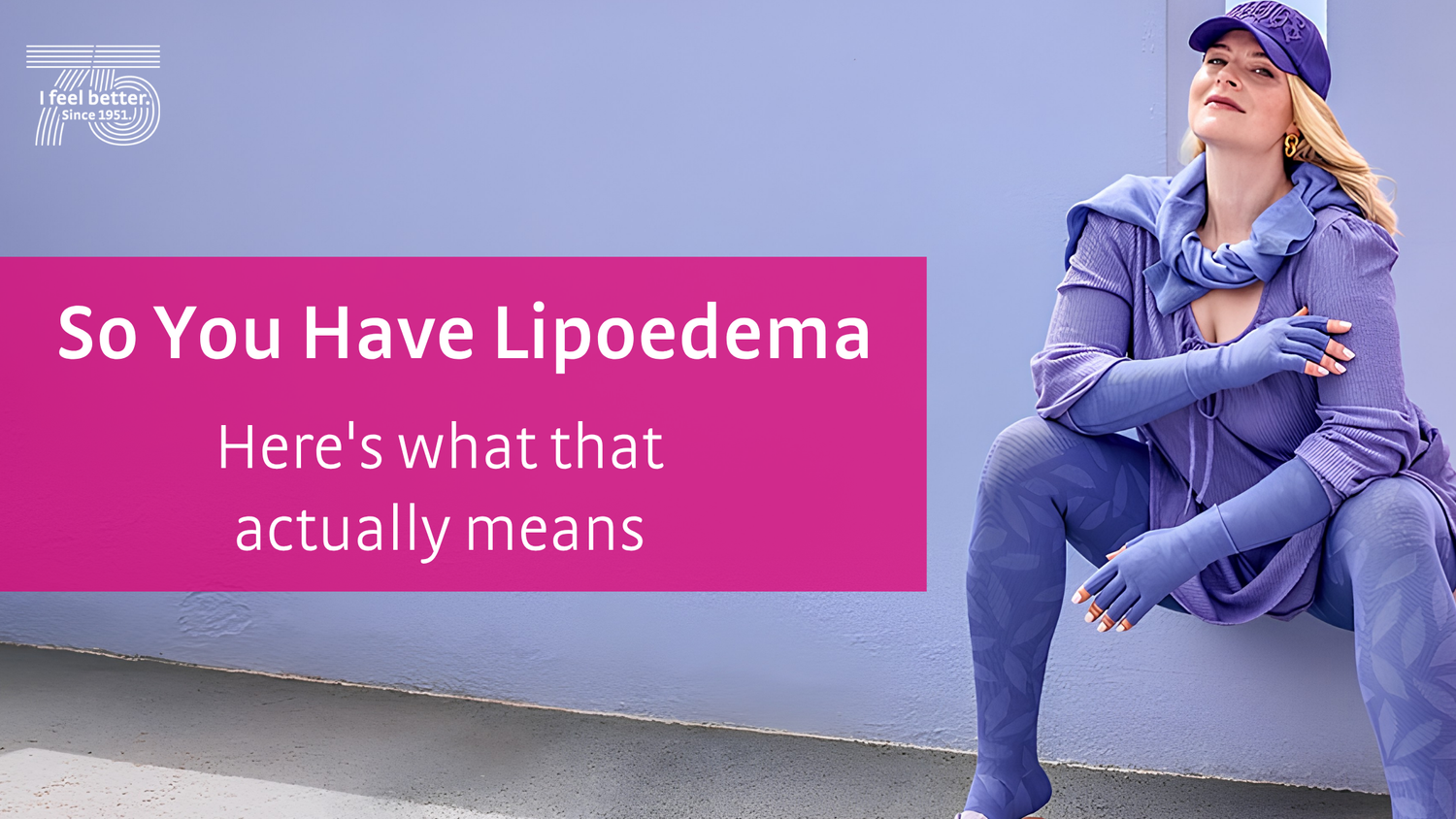
You've spent years being told it's just weight gain. That if you tried harder, ate less, moved more — it would change. It didn't. Because it was never about that.
Getting a lipoedema diagnosis — or even recognising yourself in the symptoms for the first time — can bring a complicated mix of emotions. Relief that there is a name for what you've been experiencing and overwhelm at what it might mean for your future.
If your somewhere along that emotional spectrum, this blog is for you: a clear, honest guide to understanding lipoedema, what living with it actually looks like, and what you can do to manage it and protect your quality of life.
What is lipoedema — and what's actually happening in your body?
Lipoedema is a chronic, progressive condition characterised by an abnormal build-up of adipose (fatty) tissue under the skin. It predominantly affects women, most commonly in the legs, thighs and buttocks — and critically, it is not caused by diet or lifestyle.
In Australia, lipoedema is estimated to affect around 9–11% of women — making it far more common than many people realise. Yet it is still routinely misdiagnosed, dismissed, or confused with general obesity.
Common symptoms include:
- Disproportionate fat accumulation in the lower body
- Pain, tenderness, and heaviness in affected areas
- Easy bruising, even with minimal contact
- A feeling of 'tight' or uncomfortable skin
- Swelling that worsens throughout the day
One of the most important things to understand is that lipoedema is not caused by being overweight, and weight loss will not resolve it. Lipoedema tissue is physiologically different from typical fat and does not respond to calorie restriction in the same way. This distinction matters enormously, both for treatment, and for your relationship with your own body.
Lipoedema is also not curable. However, with the right management strategies, it is possible to significantly reduce symptoms, slow progression, and maintain a good quality of life.
Why does lipoedema happen — and how does it progress?
The exact cause of lipoedema is not fully understood, but research points strongly to a hormonal and genetic basis. The condition almost exclusively affects women, and symptoms typically first appear during hormonal transitions — puberty, pregnancy, and menopause. The rare cases that occur in men are almost always linked to high oestrogen levels caused by liver disease or low testosterone.
Lipoedema progresses through four clinical stages, defined by changes in skin texture and fat tissue:
Stage 1
The skin surface is smooth but the underlying fat is soft and uneven. Some pain and sensitivity may be present.
Stage 2
The skin begins to develop an uneven, dimpled texture resembling mattress tufting. Fat deposits become more pronounced.
Stage 3
Large lobes of fat form, particularly around the inner knees and thighs. Mobility can begin to be affected.
Stage 4 (Lipo-lymphoedema)
The accumulated fat begins to compress the lymphatic vessels, causing secondary lymphoedema. This stage requires additional management.
Lipoedema is a separate condition from lymphoedema, though the two are often confused — and can co-exist in later stages. The key differences are:
Lipoedema Lymphoedema
What Living with Lipoedema Actually Looks Like
Understanding the lipoedema is one thing. Living it is another.
Day to day, lipoedema can mean waking up and already feeling heavy. It can mean legs that ache by midday, clothes that don't fit the way they 'should', and a body that seems to work against you no matter what you do. It can mean avoiding the beach, cancelling social plans, or dreading summer.
Physically, common daily experiences include:
- Fatigue and heaviness that worsens through the day
- Chronic pain that is difficult to explain because it doesn't have a visible cause
- Difficulty finding clothing that fits both the upper and lower body
- Reduced mobility as the condition progresses
- Increased sensitivity to heat
Weight stigma plays a real role here. Because lipoedema is still widely misunderstood, many women spend years being told to simply 'try harder' — a response that is not only unhelpful, but actively harmful. If this has been your experience: it was not your fault, and you were not failing.
Connecting with others who understand — whether through support groups, online communities, or a knowledgeable healthcare provider — can make a profound difference.
There's no cure — but there is a lot you can still do
Lipoedema cannot be cured, but it can be managed effectively. The goal of treatment is to reduce pain, slow progression, preserve mobility, and protect your quality of life. Most people benefit from a combination of approaches tailored to their stage and symptoms.
Conservative management
-
Manual lymphatic drainage (MLD): A gentle massage technique that stimulates lymphatic flow, reduces swelling, and can significantly ease pain and discomfort.
-
Compression therapy: Wearing appropriate compression garments daily is one of the most consistently recommended conservative treatments for lipoedema.
-
Low-impact exercise: Movement that is gentle on the joints, swimming, cycling, walking, aqua aerobics helps support circulation and lymphatic function. The goal is consistency, not intensity.
- Psychological support: Given the significant emotional burden of lipoedema, access to psychological support whether counselling, peer communities, or body-neutral approaches is an important part of holistic management.
Dietary approaches:
Diet will not shrink lipoedema fat, but certain nutritional approaches can help reduce the underlying inflammation that drives pain and progression. The approaches with the most evidence include:
-
Anti-inflammatory eating: Emphasising oily fish, leafy greens, berries, whole grains, and reducing ultra-processed foods.
- Low-carbohydrate and ketogenic diets: Growing research suggests these may help reduce insulin resistance and inflammatory markers in lipoedema tissue, and some people report meaningful improvements in pain and swelling. Speak with a dietitian experienced in lipoedema before making significant dietary changes.
How compression therapy fits into your daily life
Compression therapy is one of the most widely recommended and accessible tools for managing lipoedema — and for good reason.
Unlike in lymphoedema, where the goal is to reduce fluid, compression in lipoedema works differently. The fatty tissue characteristic of lipoedema is thought to drive localised inflammation and reduced oxygen supply to the tissue — both of which contribute to pain.
Compression garments work by applying consistent, graduated pressure that:
- Reduces the inflammatory processes in affected tissue
- Improves circulation and supports lymphatic flow
- Provides physical support that reduces the feeling of heaviness
- Minimises skin friction and chafing as fat tissue increases
- Can improve mobility and comfort during activity
Wearing compression consistently — ideally daily — is key. Garments that fit well and are suited to your specific stage and anatomy will be significantly more effective than off-the-shelf options.
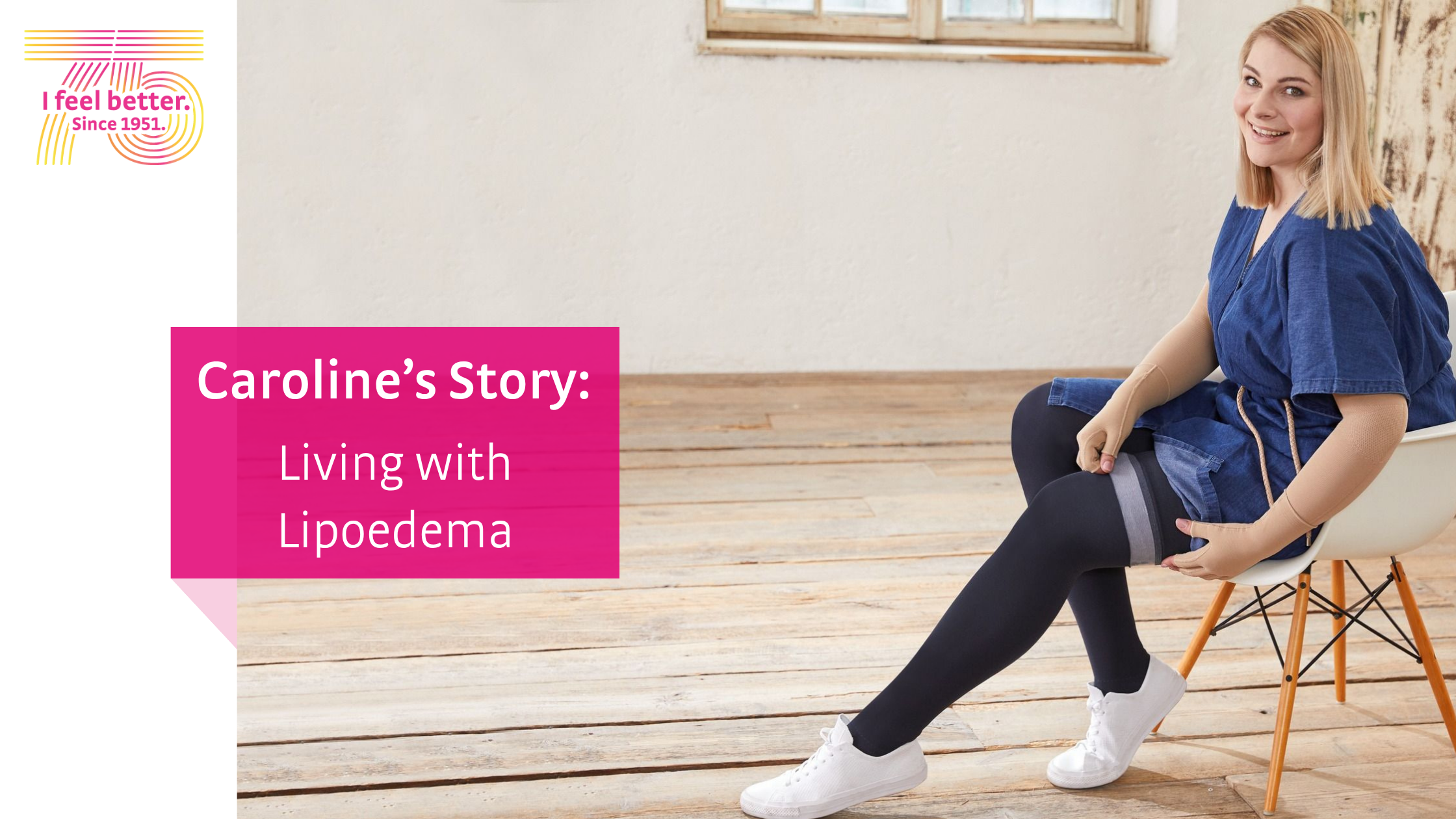
Flat-knit compression garments are frequently recommended for lipoedema because they accommodate changes in limb shape more effectively than round-knit alternatives. Depending on your stage and affected areas, options may include leggings, stockings, pantyhose, or arm sleeves — each in varying compression classes.
Getting the right garment matters. A poor fit can be uncomfortable, discouraging, and less effective. Working with a trained compression fitter or lymphoedema therapist to get properly measured and fitted makes a real difference.
At medi Australia, we specialise in medical-grade compression garments for conditions including lipoedema. Our team can help you find a garment that fits your body, lifestyle and your stage of lipoedema.
You're not alone — and you don't have to figure this out by yourself
Living with lipoedema takes resilience. It often means navigating a healthcare system that doesn't always understand your condition, managing a body that behaves differently to what diet culture tells you it 'should', and doing all of this without a cure.
But there is a community of people walking this path alongside you, and there are evidence-based tools and specialist care that can make a real and meaningful difference to how you feel every day.
This Lipoedema Awareness Month, we encourage you to:
- Share this post with someone who might recognise themselves in it.
- Connect with Lipoedema Australia (lipoedema.org.au) — Australia's national body for lipoedema support, information, and community.
- Speak with your GP or a lymphoedema therapist about a management plan tailored to your stage.
- Explore compression garment options if you haven't already — the right garment can change your daily experience significantly.
Find a Compression Garment Specialist Near You
We have a network of trained compression garment fitters across Australia, who can help you find the right compression solution for your lipoedema. Contact us to see which trained lipoedema therapists are in your area.


Leave a comment
All comments are moderated before being published.
This site is protected by hCaptcha and the hCaptcha Privacy Policy and Terms of Service apply.